
23 September 2026
Natural Process vs Washed Coffee: Which Beans Should You Actually Buy?

Natural or washed?
Fruit-forward or clean?
Big flavour or easy drinking?
The answer is simple.
Buy the coffee you actually want to drink.
Not the one with the fanciest label. Not the one someone on the internet has declared “better”. Coffee processing changes the cup. It does not decide whether the coffee is good.
Here’s how to choose.
First. What do “natural” and “washed” mean?
Coffee beans are the seeds inside coffee cherries. After the cherries are picked, producers need to remove the fruit and dry the seeds before the coffee can be exported and roasted.
The main difference is when the fruit is removed.
Natural process coffee
With a natural process, whole coffee cherries are dried with the fruit still around the seed.
The cherries are spread across drying beds or patios. They are turned regularly so they dry evenly. This can take several weeks. Once dry, the fruit and parchment are removed.
This is one of the oldest ways to process coffee. It generally uses less water than washed processing, but it needs suitable weather and careful drying. Poorly managed naturals can taste rough or fermented. Well-managed naturals can be seriously good.
Natural process coffee beans tend to taste:
- Sweeter
- Fuller-bodied
- More fruit-forward
- Softer in acidity
- Sometimes jammy, winey or pleasantly funky
Think berries, ripe stone fruit, chocolate, dried fruit and sweetness.
Washed coffee
With a washed process, the coffee cherries are pulped soon after picking. The fruit is removed from the seed. The beans are then fermented to remove the remaining sticky mucilage, washed clean and dried.
This process needs more water and infrastructure. It also gives producers a way to control the drying stage closely.
Washed coffees tend to taste:
- Cleaner
- Brighter
- More precise
- Lighter or medium-bodied
- More clearly shaped by origin and variety
Think citrus, flowers, tea, stone fruit, nuts and crisp acidity.
These are broad patterns. Origin, variety, altitude, roasting and brewing all matter too. Processing is one part of the picture. An important part. Not the whole bloody picture.

The short answer: which should you buy?
Choose natural process coffee beans if you want:
- A sweeter, heavier cup
- Strong fruit flavours
- Lower, softer acidity
- Espresso that cuts through milk
- Coffee with a bit more attitude
Choose washed coffee if you want:
- A clean and balanced cup
- Bright acidity
- Clear flavour notes
- A lighter body
- Coffee that shows its origin plainly
Still unsure?
Buy one of each.
That is the fastest way to work out what you like. Brew them using the same method. Keep the recipe as similar as possible. Taste them side by side.
No complicated sensory course required. Your mouth will tell you.
Natural vs washed coffee: a quick comparison
| Natural process | Washed process | |
|---|---|---|
| Main impression | Sweet, fruity and full | Clean, bright and clear |
| Body | Medium to full | Light to medium |
| Acidity | Softer and rounder | Brighter and more noticeable |
| Common flavours | Berry, ripe fruit, chocolate, jam | Citrus, floral, tea, nuts |
| Best for | Adventurous drinkers and milk-based espresso | Filter drinkers and clean, structured cups |
| Possible downside | Can be intense or funky | Can feel too sharp or light for some people |
Neither is the “premium” option by default.
A badly processed washed coffee is still badly processed. A carefully produced natural can be exceptional. The producer’s work matters more than the word on the bag.
If you want fruity coffee, go natural
Natural processing is a good place to start if you normally reach for fruit-forward coffee.
Look for tasting notes such as:
- Strawberry
- Blueberry
- Black cherry
- Plum
- Raisin
- Tropical fruit
- Jam
- Wine
Natural coffees often have a heavier mouthfeel. They can feel sweet and rounded rather than sharp. This makes them especially good when brewed as espresso or combined with milk.
That does not mean every natural coffee tastes like fruit juice. Some are more chocolate-led. Some are rich and nutty. The process adds a tendency towards fruit and sweetness. It does not write the final flavour profile on its own.
Our Brazil Natural is an easy place to begin. It is a natural-process single origin with a familiar, comforting profile built around caramel, nougat and chocolate orange.
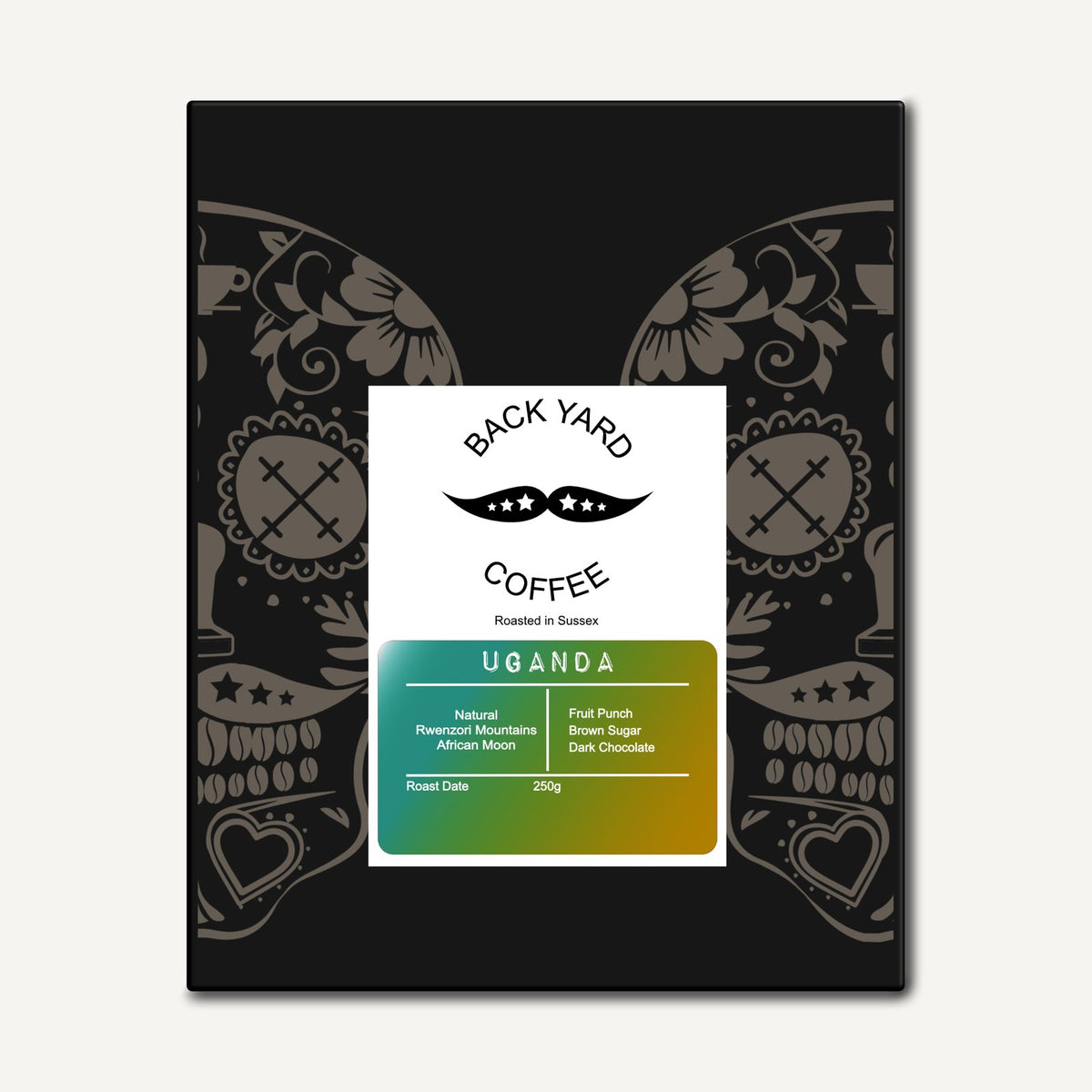
Our Uganda Natural offers another route into natural processing. It comes from the Rwenzori Mountains and reflects the kind of expressive, sweet coffee that makes naturals worth exploring.
If you want clarity, go washed
Washed coffee is often the better starting point if you want to understand the difference between origins.
The cleaner cup makes it easier to notice what comes from the place where the coffee was grown. You may pick up differences in acidity, sweetness, aroma and finish without the fruit character taking over.
Washed coffee works particularly well for:
- Pour-over
- AeroPress
- Batch brew
- Black coffee
- Drinkers who prefer a crisp finish
Look for tasting notes such as:
- Lemon
- Orange
- Black tea
- Jasmine
- Peach
- Almond
- Milk chocolate
A washed coffee should not taste thin or boring. Good washed coffees can have plenty of sweetness and depth. They simply tend to show those qualities with more clarity.
What does “single origin” actually mean?
Single origin coffee beans come from one defined origin. That could mean a particular farm, producer, region or country, depending on how the coffee is described.
Single origin does not automatically mean natural or washed. You can have single-origin coffees made using either process.
It also does not automatically mean better than a blend.
The benefit is traceability and character. You get a clearer idea of where the coffee came from and what that place tastes like.
At Back Yard Coffee, origin matters because we work with coffees we know. In Uganda, we have worked with Omwani and AgriEvolve in the Rwenzori Mountains since 2017. That is more than nine years of long-term relationships with producers and communities.
That connection does not make every coffee taste a certain way. It means we know more about where the coffee comes from and who helped produce it. That is the useful bit.
Which process works best for your brew method?
Espresso
For straight espresso, either process can work.
Choose natural coffee if you like:
- A sweeter shot
- Fuller body
- Chocolate and fruit
- Espresso with milk
Choose washed coffee if you like:
- Brightness
- A cleaner finish
- More defined acidity
- A traditional, structured espresso
Natural coffees can be excellent in flat whites and cappuccinos because their sweetness holds up against milk.
Filter coffee
Washed coffees are often the safer choice for filter. They can be easier to read and adjust while you are getting your recipe right.
Naturals are worth trying if you want a heavier, sweeter filter cup. They can be brilliant through a V60, AeroPress or batch brewer. They may also need a little more attention if the flavour is intense.
If a natural tastes too heavy, try a slightly coarser grind or a lower brewing temperature. If a washed coffee tastes too sharp, try a finer grind or a hotter brew. Small changes. No need to rebuild the kitchen.
Check the roast date too
Processing matters. Freshness matters as well.
We roast in small batches on our 15kg electric Giesen roaster in Sussex. Each coffee is roasted with its origin and process in mind. The goal is not to roast every bag into the same dark, generic flavour.
Look for the roast date. Buy an amount you can drink while the coffee is fresh. Keep the bag sealed. Grind just before brewing if you can.
Our coffee is available as whole beans or ground to order through the Back Yard Coffee range. If you like trying different styles, the Roaster’s Choice subscription lets us choose and freshly roast the coffee for you. Pause or cancel whenever you like. No nonsense.
The packaging is fully recyclable too. Bin it properly when the coffee is gone.

Our simple buying guide
Buy natural process coffee beans if you want:
Sweetness. Fruit. Body. A more unusual cup.
Start with Brazil Natural.
Buy washed coffee if you want:
Clarity. Brightness. A clean cup that shows its origin.
Look for washed single origins from a roaster you trust.
Buy both if you want to learn:
Brew them side by side. Same equipment. Same recipe. Different process.
That is the whole point of single origin coffee beans. You get to taste the difference for yourself.
No right answer.
Just better information before you buy.
Enough reading. Time for coffee.
Shop the coffee